

Oven Sales
Add a review FollowOverview
-
Founded Date 11/30/1907
-
Sectors Technology Sector
-
Posted Jobs 0
-
Viewed 4
Company Description
A Look In Cookers And Hobs’s Secrets Of Cookers And Hobs
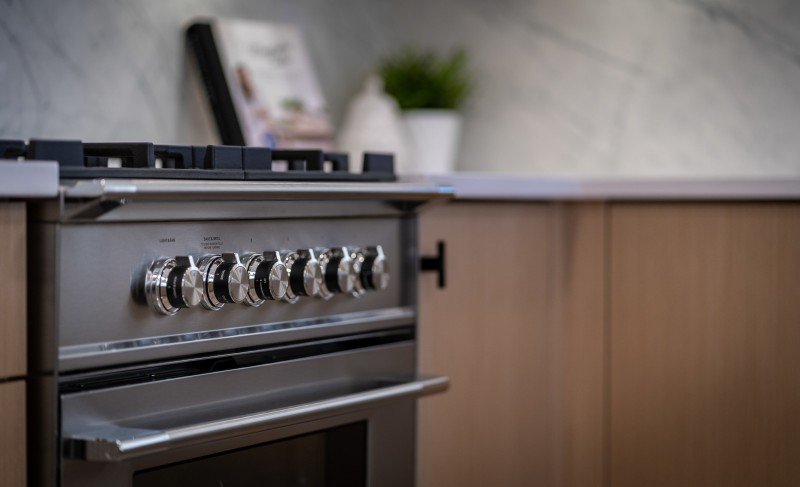
Understanding Cookers and Hobs: A Comprehensive Guide
Cooking is an integral element of every day life, and the evolution of kitchen home appliances plays a substantial role in how effectively and successfully people prepare their meals. Among these home appliances, cookers and hobs are two of the most necessary instruments found in modern kitchens. This article digs into the distinctions in between cookers and hobs, analyzes their numerous types, and uses insights on their features, upkeep, and choice procedure.
What are Cookers and Hobs?
Cookers
Cookers are comprehensive kitchen devices developed for cooking tasks, usually combining an oven and a hob. They can be found in numerous setups and types, dealing with varied cooking requirements and choices.
Hobs
Hobs, on the other hand, are more focused appliances primarily utilized for boiling, frying, and other stovetop cooking methods. Hobs can be standalone units or an integrated part of bigger cookers.
| Feature | Cookers | Hobs |
|---|---|---|
| Function | Integrates oven and hob | Stovetop cooking only |
| Style | All-in-one system | Separate unit or integrated |
| Types | Electric, gas, dual fuel | Gas, electric, induction |
| Installation | Allows for more flexibility | Built into the counter top |
| Rate Range | Normally higher | Differs extensively |
Kinds of Cookers
1. Electric Cookers
Electric cookers use electricity as their primary power source. They frequently include an integrated oven and several cooking zones on the hob.
Benefits:
- Even heat circulation
- Available in different designs (e.g., freestanding, built-in)
2. Gas Cookers
Gas cookers run on gas or melted petroleum gas (LPG). They offer instant heat control, making them a favorite among expert chefs.
Benefits:
- Instant heat modifications
- More cost effective functional costs
3. Dual Fuel Cookers
Dual fuel cookers combine the heat of gas with the performance of electric ovens. This setup permits for the best of both worlds, offering control and constant results.
Benefits:
- Flexible cooking choices
- Precise control over stovetop cooking and baking
4. Range Cookers
Variety cookers are bigger and more effective than basic cookers, including several Ovens hobs and hobs for comprehensive cooking tasks.
Advantages:
- Ideal for large families or cooking for occasions
- Uses various cooking alternatives in one appliance
Types of Hobs
1. Gas Hobs
Gas hobs are favored for their fast heating and strong flame, making them excellent for scorching and stir-frying.
Advantages:
- Instant heat and control
- Suitable with any kind of pots and pans
2. Electric Hobs
Electric hobs warm up using electric coils or glass-ceramic surfaces, offering a modern appearance and efficient cooking.
Benefits:
- Easier to clean
- Consistent surface area appropriate for numerous pots and pans
3. Induction Hobs
Induction hobs utilize electromagnetic fields to heat pots and pans straight, using quick and energy-efficient cooking.
Advantages:
- Safe (cool surface after eliminating pots and pans)
- Energy-efficient and accurate
4. Solid Plate Hobs
These conventional hobs utilize strong electric plates that heat up gradually.
Benefits:
- Rugged and durable
- Usually more budget friendly than other types
Secret Features to Consider
When picking a cooker or hob, several features should be taken into consideration:
- Size and Space: Consider the size of your kitchen and the amount of office required.
- Cooking Style: Choose based upon preference– gas for control, induction for effectiveness, etc.
- Effectiveness Ratings: Look for energy-efficient designs to reduce energy expenses.
- Relieve of Cleaning: Smooth surfaces facilitate simple upkeep.
- Security Features: Automatic shutoff, flame failure gadgets, and child locks enhance safety.
Upkeep Tips
Maintaining cookers and hobs lengthens their life-span and ensures safe operations.
- Routine Cleaning: Wipe down surface areas after usage to avoid buildup.
- Examine Seals: Check oven door seals regularly for wear and tear to keep efficiency.
- Service Regularly: Schedule expert servicing at least when a year.
- Appropriate Cookware: Use cookware proper for your hob type to prevent damage.
Regularly Asked Questions (FAQs)
What is the distinction between a cooker and a hob?
A cooker combines an oven and hob in one system, while a hob is normally a standalone appliance for stovetop cooking.
Do I need a professional to install a gas cooker or hob?
Yes, professional setup is advised for gas appliances to guarantee safety and compliance with local policies.
Can I utilize any kind of pots and pans on induction hobs?
Induction hobs require magnetic pots and pans. Stainless steel or cast iron pots work best. Non-magnetic products will not heat up.
Are electric cookers more energy-efficient than gas cookers?
While both have advantages, electric cookers tend to be more energy-efficient total, particularly with modern-day, high-efficiency models.
How often should I clean my cooker or hob?
It is best to clean them after each usage and perform an extensive cleansing weekly to avoid buildup and residue.
Understanding the differences, features, types, and upkeep tips for cookers and hobs is essential for any home cook. By picking the right appliance matched to their cooking requirements, users can enhance their cooking experience, making meal preparation an efficient and satisfying task. Whether selecting the immediate control of gas or the smooth performance of induction, selecting the appropriate cooker or hob can lead to a notably boosted kitchen experience.