

Extractor Hood Kitchen
Add a review FollowOverview
-
Founded Date 06/13/2020
-
Sectors Technology Sector
-
Posted Jobs 0
-
Viewed 13
Company Description
A Brief History History Of Chimney Hood
The Essential Guide to Chimney Hoods: Function, Design, and Maintenance
Introduction
In the heart of every kitchen lies an essential yet often ignored home appliance– the chimney hood. This important piece of devices not just plays a crucial function in maintaining a clean and pleasant environment in the kitchen however likewise boosts looks and elevates the cooking experience. In this article, we will check out the numerous kinds of chimney hoods, their functionalities, designs, and important maintenance tips.
| Table of Contents |
|---|
| 1. What is a Chimney Hood? |
| 2. Types of Chimney Hoods |
| 3. Functions and Benefits |
| 4. Style Considerations |
| 5. Upkeep Tips |
| 6. Frequently Asked Questions |
1. What is a Chimney Hood?
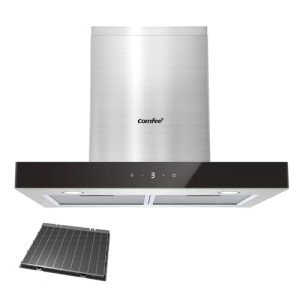
A chimney hood, likewise referred to as a range hood or Kitchen Hood (www.perryduka.top), is an appliance set up above the cooking surface area to exhaust smoke, grease, steam, and odors produced throughout cooking. It typically consists of a canopy that captures the air above the stove and a ventilation system that eliminates it from the kitchen environment. This assists in keeping the kitchen fresh, tidy, and safe.
2. Kinds Of Chimney Hoods
There are a number of variations of chimney hoods, each designed to deal with various cooking designs, kitchen layouts, and aesthetic choices. The following table summarizes the most common types:
| Type of Chimney Hood | Description | Best For |
|---|---|---|
| Wall-Mounted Hood | Installed on a wall, these hoods feature a modern design and are frequently used over a wall-mounted range. | Basic kitchen setups where area enables. |
| Island Hood | Suspended from the ceiling, these hoods are designed for usage with kitchen islands. | Open kitchens with islands, offering a modern aesthetic. |
| Under-Cabinet Hood | Set up underneath cabinets, they conserve area and are perfect for smaller kitchens. | Compact kitchens with restricted area. |
| Downdraft Hood | Integrated into the countertop, these hoods turn up when needed and can be retracted when not in usage. | Minimalist kitchens that need aesthetic versatility. |
| Expert Hood | Durable hoods designed for high-efficiency cooking, typically featuring a commercial-grade style. | Serious home cooks or expert kitchens. |
| Ornamental Hood | Designed to match kitchen decoration, these hoods come in different shapes and products. | Design-oriented kitchens concentrating on aesthetic appeals. |
3. Functions and Benefits
Chimney hoods serve several purposes in the kitchen beyond just boosting air quality. Here are some key functions and benefits:
3.1 Air Quality Improvement
Among the primary functions of a chimney hood is to enhance indoor air quality. By successfully eliminating air-borne grease, smoke, and odors, it develops a healthier cooking environment.
3.2 Noise Reduction
Some top quality chimney hoods are developed with sound-insulating functions, helping to decrease functional sound and offering a quieter cooking experience.
3.3 Heat and Moisture Control
Chimney hoods help control heat and moisture levels, preventing extreme humidity and heat buildup in the kitchen, which can result in pain.
3.4 Aesthetic Appeal
An elegant chimney hood can serve as a focal point in the kitchen, enhancing the overall style and making a declaration while likewise serving a practical purpose.
3.5 Increased Property Value
Homes with well-designed kitchen appliances, including chimney hoods, can see an increase in home value, as many potential purchasers consider modern, practical kitchens a substantial selling point.
4. Style Considerations
When choosing a chimney hood, numerous design factors to consider enter play. Here are some crucial aspects to bear in mind:
- Size and Dimensions: The chimney hood should be at least as large as the cooking surface listed below it, with additional width preferred for enhanced efficiency.
- Ventilation Type: Choose in between vented (ducted) or non-vented (ductless) systems based upon kitchen layout and air blood circulation requirements.
- Product and Finish: Stainless steel, glass, and copper are common materials. The finish should match the total kitchen style.
- Motor Power: Consider the CFM (Cubic Feet per Minute) rating; higher CFM numbers normally suggest more effective ventilation.
- Sound Level: Look for models with lower sones (a procedure of noise) if sound is an issue.
| Design Considerations | Significance |
|---|---|
| Size and Dimensions | Guarantees appropriate fit and effectiveness. |
| Ventilation Type | Impacts air quality and setup. |
| Material and Finish | Figures out visual appeal and sturdiness. |
| Motor Power | Influences performance and efficacy. |
| Sound Level | Essential for comfortable kitchen use. |
5. Maintenance Tips
Correct maintenance is vital to guarantee the durability and effectiveness of a chimney hood. Here are some useful pointers:
- Clean Filters Regularly: Depending on use, tidy or change filters every one to three months to eliminate grease buildup.
- Clean the Exterior: Use a wet cloth and moderate detergent to keep the exterior shimmering tidy and complimentary of fingerprints.
- Check the Ducts: If the hood is ducted, inspect the ducts for blockages and carry out routine cleansings as required to keep airflow.
- Examine the Light Bulbs: Ensure that all built-in lights are practical, and change any burnt-out bulbs immediately.
- Arrange Professional Maintenance: Consider having a professional inspect and service the chimney hood yearly for ideal efficiency.
| Upkeep Tips | Frequency |
|---|---|
| Tidy Filters | Every 1-3 months |
| Clean the Exterior | Regular monthly |
| Check the Ducts | Every year |
| Check the Light Bulbs | As required |
| Schedule Professional Maintenance | Yearly |
6. Often Asked Questions
6.1 How do I know what size chimney hood to purchase?
The size of the chimney hood must be at least the exact same width as your cooking range. For optimal efficiency, think about a hood that extends a minimum of 3-6 inches beyond the range on both sides.
6.2 do I require a ducted or ductless chimney hood?
If you have the ability for ductwork, a ducted hood is generally more reliable at aerating smoke and smells outside. If not, a ductless hood with filters can still provide some level of air purification.
6.3 How typically should I clean my chimney hood?
Filter cleansing frequency can vary based upon cooking habits. Normally, it is suggested to clean or replace filters every one to three months. Regular exterior cleaning must be done monthly.
6.4 Can I set up a chimney hood myself?
While some chimney hoods come with DIY setup sets, it’s constantly recommended to employ a qualified professional, specifically for ducted setups, to make sure security and compliance with building codes.
6.5 What is the typical expense of a chimney hood?
Chimney hood costs differ widely depending on the type, brand name, and features. Basic models can start around ₤ 100, while high-end designs can go over ₤ 1,500.
Chimney hoods are important in modern kitchens, using both aesthetic and functional value. Comprehending the various types, their advantages, style considerations, and maintenance pointers will make it possible for house owners to make informed choices that boost their cooking environment. Whether you choose a sleek, minimalist appearance or a robust, professional design, there is a chimney hood out there that perfectly matches your needs.